Low Slope Roofing
What Exactly is Low Slope Roofing?
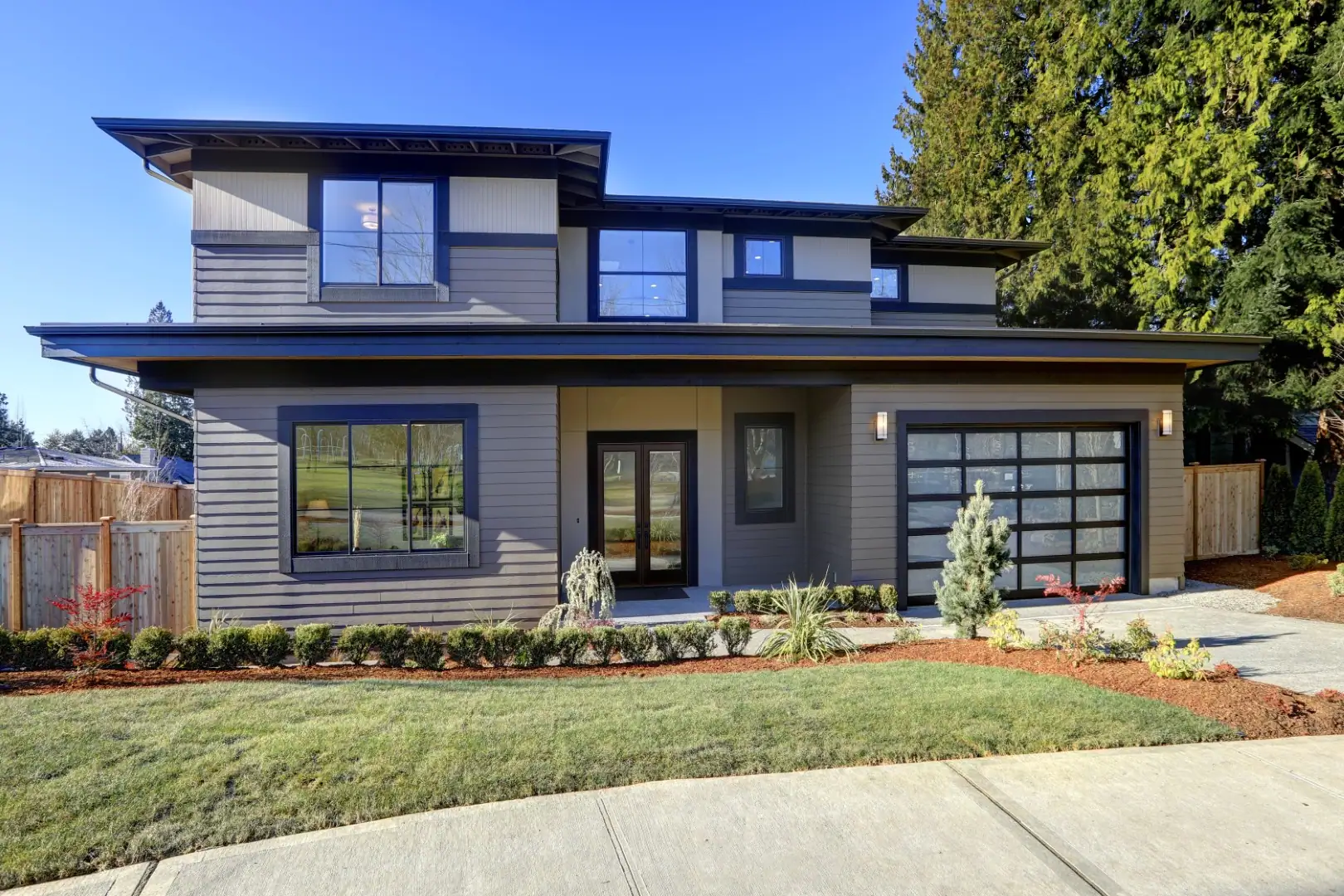
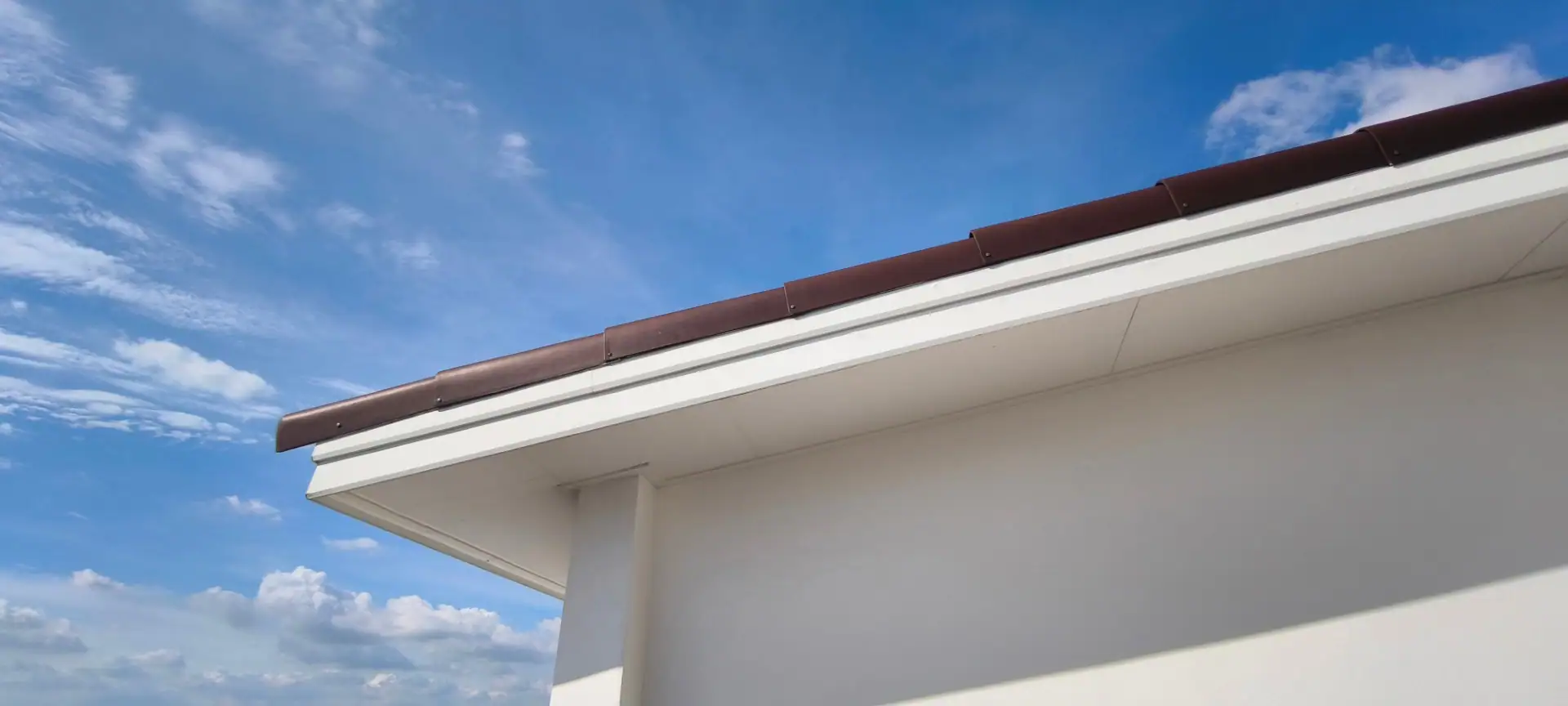
Low slope roofing, often found on commercial buildings but also present on some homes with modern designs or additions, refers to a roof that has a pitch of less than 3:12. This means for every 12 inches of horizontal distance, the roof rises less than 3 inches. Unlike steep-slope roofs that shed water quickly due to gravity, low slope systems require specialized materials and installation techniques to manage water effectively and prevent pooling. At SLR Roofing, we understand the unique challenges these roofs present, from potential drainage issues to material durability under less-than-ideal conditions. Our expertise ensures that whether you’re in Ogden, Utah, or surrounding areas, your low slope roof is built to last and protect your property. We focus on providing comprehensive solutions that go beyond just covering the structure; we aim to secure your investment for years to come. For more on the various roofing solutions we offer, you can explore our services overview page.
Why Low Slope Roofs Need Special Attention
The subtle angle of low slope roofs means water doesn’t always run off as quickly as it does on steeper pitches. This can lead to standing water, which over time, can break down roofing materials, cause leaks, and even lead to structural damage. Unlike traditional shingle roofs that rely on overlapping layers to divert water, low slope systems require continuous, waterproof membranes. The integrity of the seams and the overall watertightness of the system are paramount. This is where the skill of experienced roofing professionals like those at SLR Roofing truly makes a difference. We specialize in tear-off services, meaning we completely remove old roofing materials to ensure a clean, solid substrate for your new low slope roof. This prevents moisture entrapment, a common problem with overlaying, and extends the lifespan of your roof significantly. Our commitment to quality materials and meticulous installation practices ensures your low slope roof stands up to the elements, providing reliable protection for your building. If you’re experiencing any issues, our roof leak repair services are designed to address them promptly.
Ready for a Reliable Low Slope Roof?
Don’t let potential water damage compromise your property. SLR Roofing offers expert low slope roofing solutions in Ogden, UT, and surrounding areas. We specialize in tear-off installations and high-quality materials for lasting protection.
Choosing the Right Materials for Your Low Slope Roof
Selecting the correct materials is crucial for the longevity and performance of any low slope roof. Because these roofs are more susceptible to ponding water, the roofing system must be completely waterproof and resistant to UV rays and temperature fluctuations. Common options include Single-Ply Membranes like TPO (Thermoplastic Polyolefin), EPDM (Ethylene Propylene Diene Monomer), and PVC (Polyvinyl Chloride). These are durable, flexible, and come in large sheets that are fused or adhered together to create a seamless barrier. Another option is Modified Bitumen roofing, which is asphalt-based and reinforced with polyester or fiberglass for added strength. Metal roofing can also be used for low slope applications, provided it’s installed with the proper seam design and slope to ensure water drainage. At SLR Roofing, we work with you to determine the best material for your specific needs, budget, and the architectural style of your building. We prioritize high-quality materials that offer superior performance and durability, ensuring your investment is well-protected. For those considering metal options, learn more about our metal roofing services.
The SLR Roofing Difference for Low Slope Projects
What sets SLR Roofing apart when it comes to low slope roofing? It starts with our commitment to a thorough tear-off. We never overlay old roofing materials on low slope applications because it can trap moisture and create an unstable foundation for the new system. By completely removing old layers, we ensure a clean, solid surface for optimal adhesion and prevent potential issues down the line. Our experienced team in Ogden, UT, understands the nuances of installing waterproof membranes and ensuring proper drainage. We meticulously seal all seams and penetrations, which are critical points for potential leaks on low slope roofs. We also focus on energy efficiency; many of our low slope roofing solutions can help reflect solar heat, reducing cooling costs for your building. Our goal is always to provide a durable, reliable, and aesthetically pleasing roofing system that protects your property and enhances its value. We pride ourselves on clear communication and exceptional craftsmanship throughout the entire process, from initial assessment to final installation. You can see examples of our work in our gallery.
Frequently Asked Questions
How long do low slope roofs typically last?
The lifespan of a low slope roof can vary significantly depending on the materials used, the quality of installation, and ongoing maintenance. Generally, a well-maintained low slope roof using high-quality materials can last between 15 to 30 years or even longer.
Is a tear-off always necessary for low slope roofs?
Yes, for low slope roofs, a tear-off is highly recommended and often necessary for optimal performance. Overlaying old materials can trap moisture, create an uneven surface, and lead to premature failure of the new roofing system.
What are the most common problems with low slope roofs?
The most common problems include ponding water, leaks due to seam failures or punctures, and material degradation from UV exposure and water saturation. Clogged drainage systems are a frequent culprit behind these issues.
How can I tell if my low slope roof is leaking?
Signs of a leak include water stains on interior ceilings or walls, visible moisture or mold in the building’s structure, and persistent puddles of water on the roof surface that don’t drain. Prompt inspection is crucial if you suspect a leak.
Can low slope roofs be energy efficient?
Absolutely. Many modern low slope roofing materials, such as white TPO or reflective coatings, are designed to reflect solar heat, significantly reducing cooling costs. Proper insulation also plays a key role in energy efficiency.