Roof Venting
Why Good Roof Venting Matters for Your Ogden Home
Proper roof venting is more than just an afterthought; it’s a critical component of your home’s overall health and energy efficiency, especially here in Ogden, UT. Think of your attic as a lung for your house. If it can’t breathe properly, moisture can build up, leading to a host of problems like mold, mildew, and even structural damage to your roof deck and insulation. This trapped moisture can also make your home feel warmer in the summer and colder in the winter, driving up your energy bills. At SLR Roofing, we understand the unique climate challenges faced by homes in our area and specialize in ensuring your roof system is properly ventilated. We offer a comprehensive range of roofing services, and effective venting is a cornerstone of every quality roof installation and repair we perform. Our team of experienced professionals uses top-tier materials to create a balanced ventilation system that works with your home, not against it, protecting your investment and improving your living environment. We’re committed to providing superior roofing solutions that last.
How Proper Ventilation Protects Your Roof and Home
The primary job of roof venting is to create a continuous flow of air through your attic space. This airflow helps to regulate attic temperature and remove moisture. In the summer, it allows hot air to escape, keeping your attic cooler and reducing the load on your air conditioning system. In the winter, it helps to prevent ice dams from forming by keeping the roof deck cold, which is crucial for homes in colder climates. Moisture trapped in the attic can condense on the underside of your roof sheathing, leading to rot and compromising the structural integrity of your entire roof. It can also degrade your insulation, making it less effective and costing you more money on heating and cooling. This is why an effective ventilation system is so important for the longevity and performance of your roof. For homeowners in Ogden, UT, where we experience distinct seasonal changes, this balance is especially vital. Our approach at SLR Roofing emphasizes tear-off services rather than overlays, ensuring a clean slate and the best possible foundation for optimal ventilation during new installations or replacements, as detailed on our new construction roofing page.
Ready to Improve Your Home’s Ventilation?
Don’t let poor roof venting compromise your home’s integrity and energy efficiency. Contact SLR Roofing today for a professional assessment and expert ventilation solutions in Ogden, UT.
Signs Your Roof Venting Might Need Attention
Recognizing the signs of inadequate roof venting can save you from costly repairs down the line. One of the most obvious indicators is the presence of mold or mildew in your attic, often appearing as dark spots on the rafters or insulation. You might also notice excessive moisture or condensation on the underside of your roof deck or on attic framing. In colder months, ice dams forming along the eaves of your roof are a strong signal that your attic is too warm, likely due to poor ventilation. Inside your home, you might experience unusually high energy bills, especially during peak summer or winter months, as your HVAC system struggles to maintain a comfortable temperature. Sagging or curling shingles can also be a symptom, as excessive heat trapped in the attic can accelerate shingle deterioration. If you suspect any of these issues, it’s time to consider a professional assessment. Our team at SLR Roofing is adept at diagnosing and resolving all types of roofing problems, including ventilation issues, offering reliable roof repair services to protect your home.
Types of Roof Vents and How They Work Together
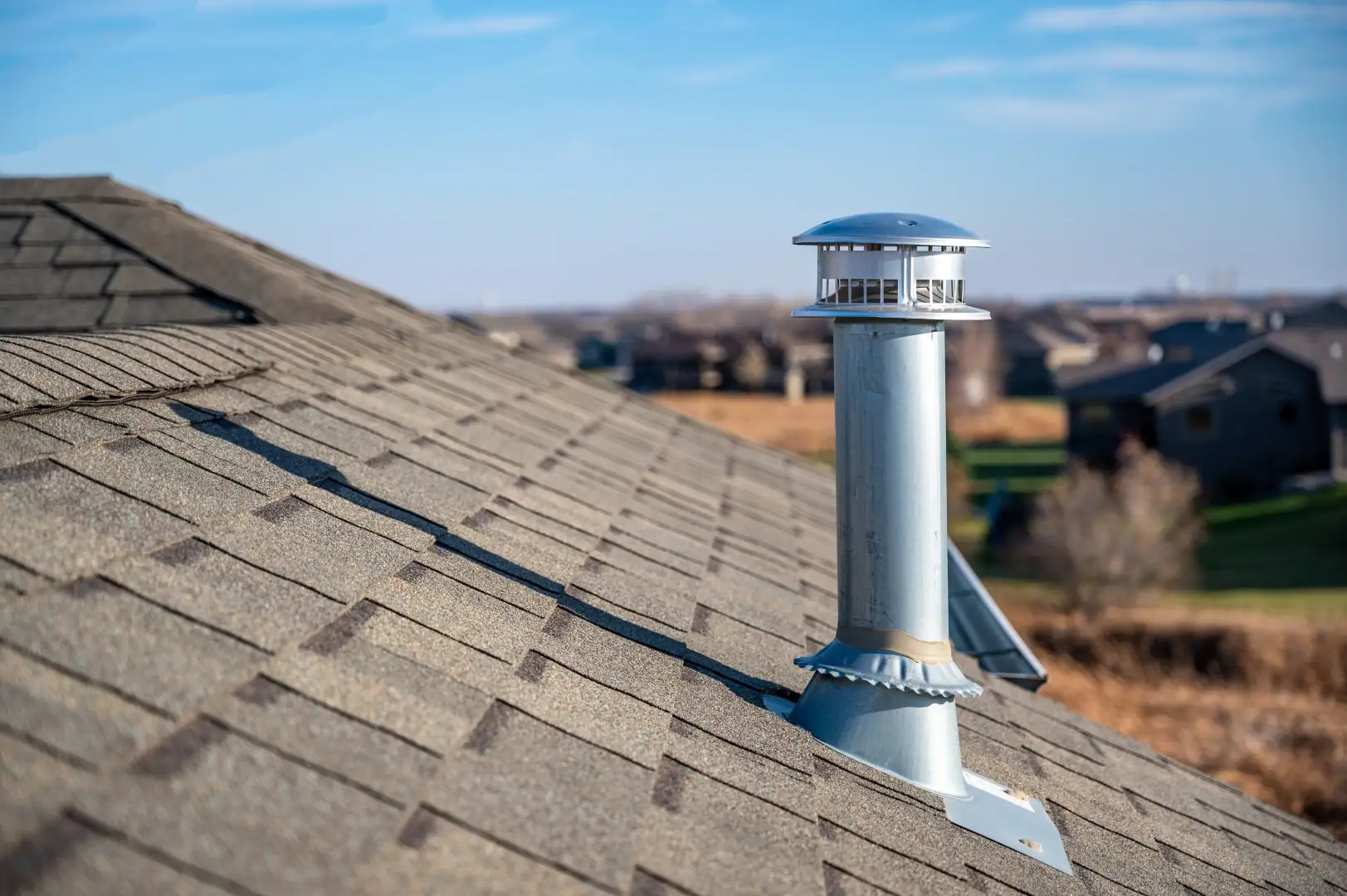
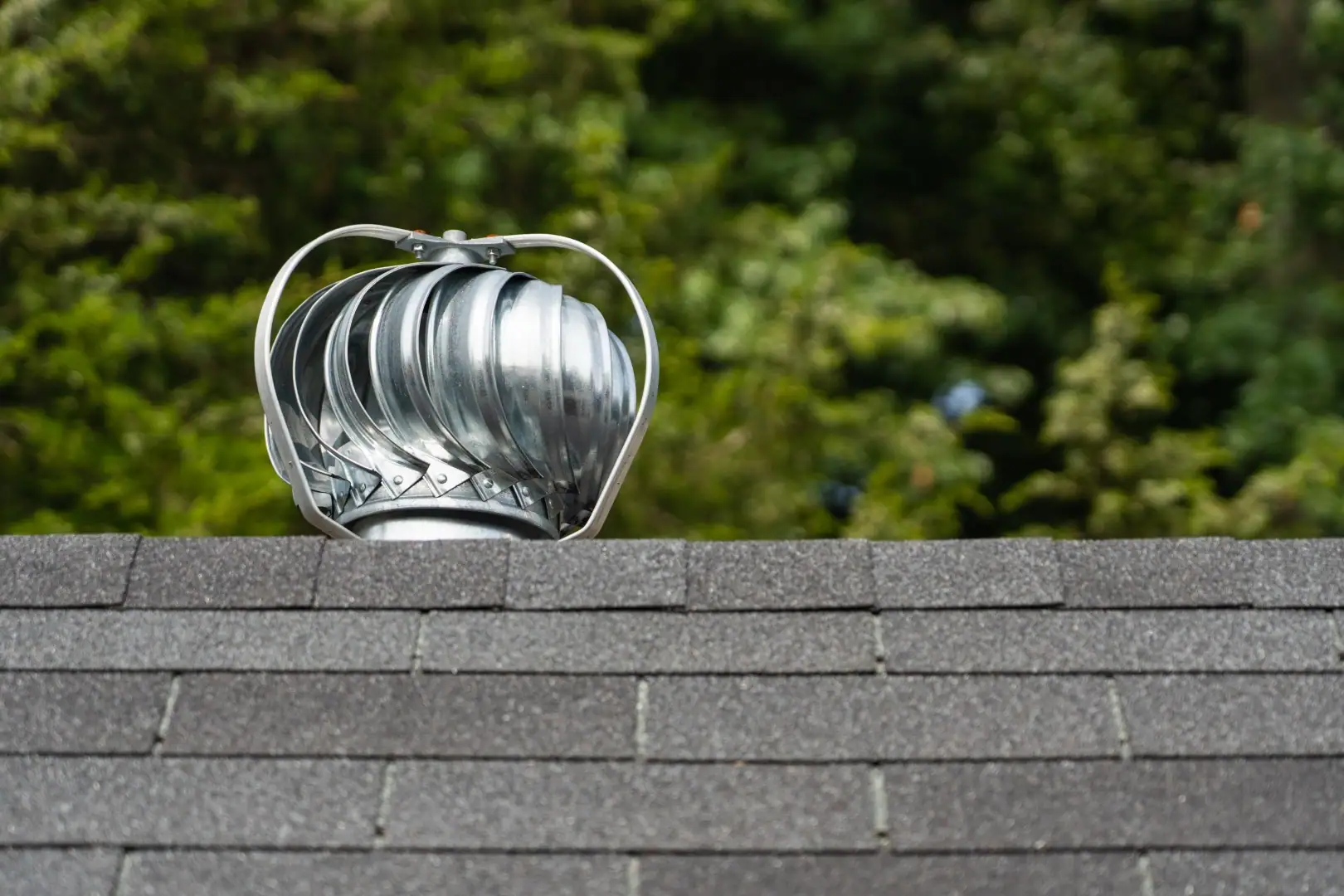
A well-ventilated roof typically uses a combination of intake and exhaust vents to create a balanced airflow. Intake vents, usually located along the lower edge of the roof, such as soffit vents, allow fresh, cooler air to enter the attic. Exhaust vents, often found at the peak of the roof, like ridge vents or roof turbines, allow hot, moist air to escape. This continuous cycle of air movement is essential for maintaining a healthy attic environment. Other types of exhaust vents include box vents (also known as static vents) and electric or solar-powered attic fans, which can provide additional airflow when needed. The key is to ensure a proper ratio of intake to exhaust ventilation, as too much of one without the other can disrupt the natural airflow. At SLR Roofing, we assess your home’s specific needs to design and install a ventilation system that utilizes the most effective types of vents for your roof structure and local climate conditions, ensuring optimal performance and longevity for your roof system. We pride ourselves on using only top-tier materials for all our installations and repairs.
Frequently Asked Questions
How often should roof vents be inspected?
We recommend having your roof vents inspected as part of your regular roof maintenance, typically once a year or after severe weather events. This ensures they are clear of debris and functioning correctly to protect your home.
Can I add vents to an existing roof?
Yes, it’s often possible to add or upgrade roof vents to an existing roof to improve its ventilation. Our team can assess your current roof system and recommend the best solutions for enhanced airflow.
What's the difference between ridge vents and box vents?
Ridge vents run along the peak of the roof and are a continuous exhaust, while box vents are individual units placed along the roof slope. Both help exhaust air, but ridge vents are generally considered more effective for continuous airflow.
Will better ventilation lower my energy bills?
Absolutely. By allowing hot air to escape and reducing moisture buildup, proper ventilation helps your HVAC system work more efficiently, leading to noticeable savings on your energy bills throughout the year.
How long does roof venting installation take?
The time required for roof venting installation can vary depending on the complexity of your roof and the type of vents being installed. Our team strives for efficient and thorough work to minimize disruption to your home.